
Introduction
Robotic Surgery in Gastrointestinal Conditions is changing the way doctors treat many digestive problems. This advanced technology uses special tools and a robot to help surgeons operate with great care. Because of this, many people now have safer and less painful surgeries. In fact, minimally invasive robotic surgery is becoming more common for stomach and bowel issues. If you or someone you know needs surgery for a digestive problem, learning about robotic-assisted gastrointestinal procedures can help you make informed choices.
What is Robotic Surgery?
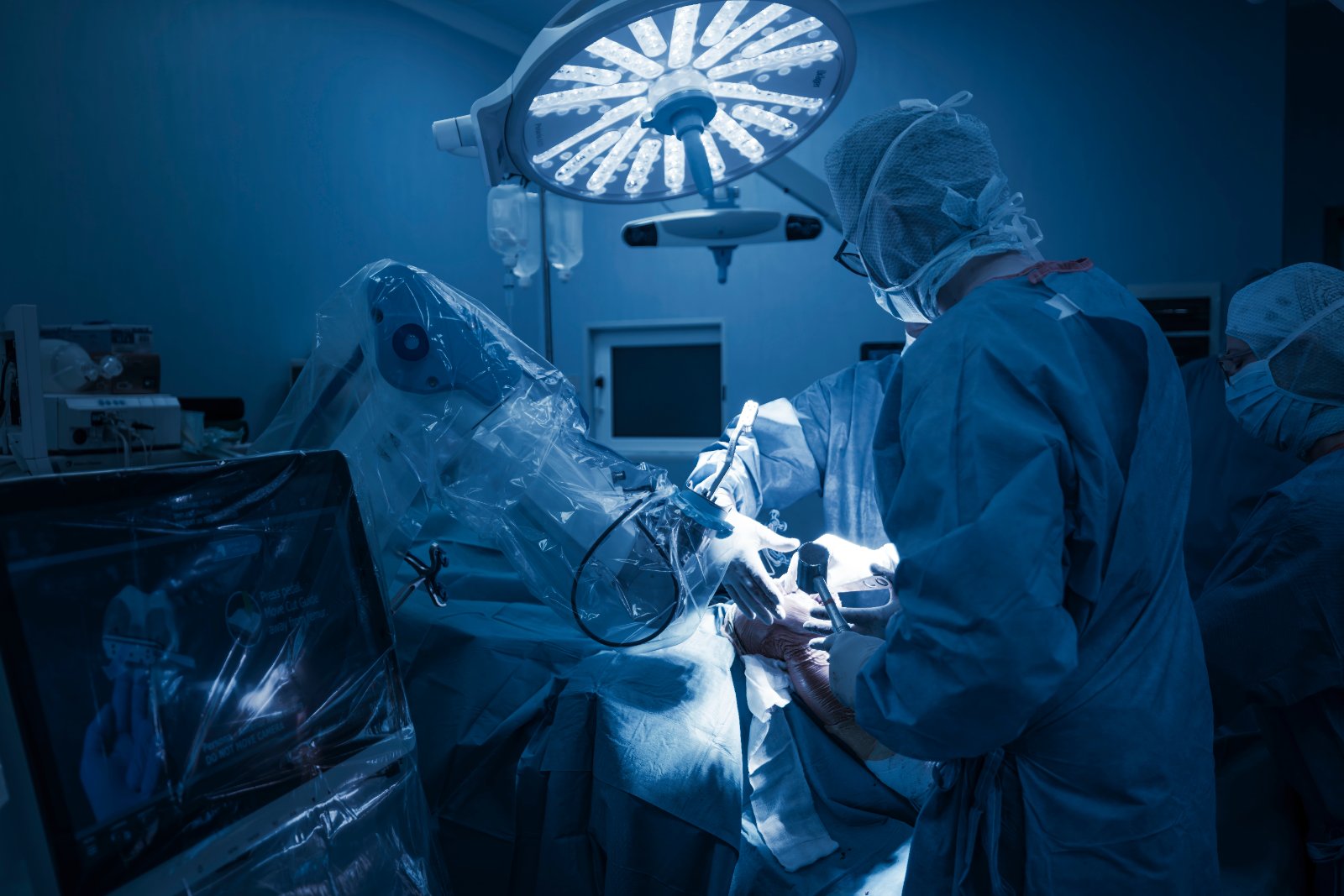
Robotic surgery is a type of minimally invasive surgery. Instead of making large cuts, doctors use small openings. Through these, they insert tiny tools and a camera. The surgeon sits at a control panel and guides the robot’s arms. As a result, the robot copies the surgeon’s hand movements with great accuracy. This advanced technology in GI surgery allows for more precise work than traditional methods.
Common Gastrointestinal Conditions Treated with Robotic Surgery
Many digestive system problems can be treated with robotic-assisted gastrointestinal procedures. Some common conditions include:
Because robotic surgery is so precise, it is often chosen for these complex cases.
How Robotic Surgery Works
First, the patient receives anesthesia to sleep during the procedure. Next, the surgeon makes a few small cuts in the belly. Then, thin robotic arms and a camera are placed through these openings. The surgeon sits at a console and looks at a high-definition screen. Using hand controls, the surgeon moves the robot’s arms. The robot’s tools are steady and can turn in ways a human hand cannot. Therefore, the surgeon can remove or repair tissue with great care. Throughout the surgery, the doctor is always in control.
Benefits of Robotic Surgery in Gastrointestinal Care
Robotic surgery offers many advantages for patients and doctors. Some key benefits include:
Moreover, studies from sources like the World Health Organization and leading hospitals show that minimally invasive robotic surgery can lead to better outcomes for many patients.
Risks and Limitations
Even though robotic surgery is safe for most people, it does have some risks. For example, there may be:
However, not everyone is a good candidate for robotic-assisted gastrointestinal procedures. Some people with severe health problems or very large tumors may need a different type of surgery. Always talk to your doctor about your options.
What to Expect: Patient Experience
Before surgery, your doctor will explain the steps and answer your questions. On the day of the procedure, you will receive anesthesia. After surgery, you may feel some pain or discomfort, but it is usually less than with open surgery. Most people can walk the same day or the next. Because recovery is faster, you may go home sooner. Even so, you should follow your doctor’s advice for care and rest.
Prevention and Lifestyle Guidance
While robotic surgery can treat many gastrointestinal conditions, prevention is always best. To keep your digestive system healthy, try these tips:
Because early detection is important, talk to your doctor if you notice changes in your digestion or bowel habits.
Frequently Asked Questions
Conclusion
Considering robotic surgery for a gastrointestinal condition? Consult Dr. Dhaval Mangukiya for expert evaluation, personalised surgical guidance and to understand whether robotic-assisted surgery is the right option for your condition.