
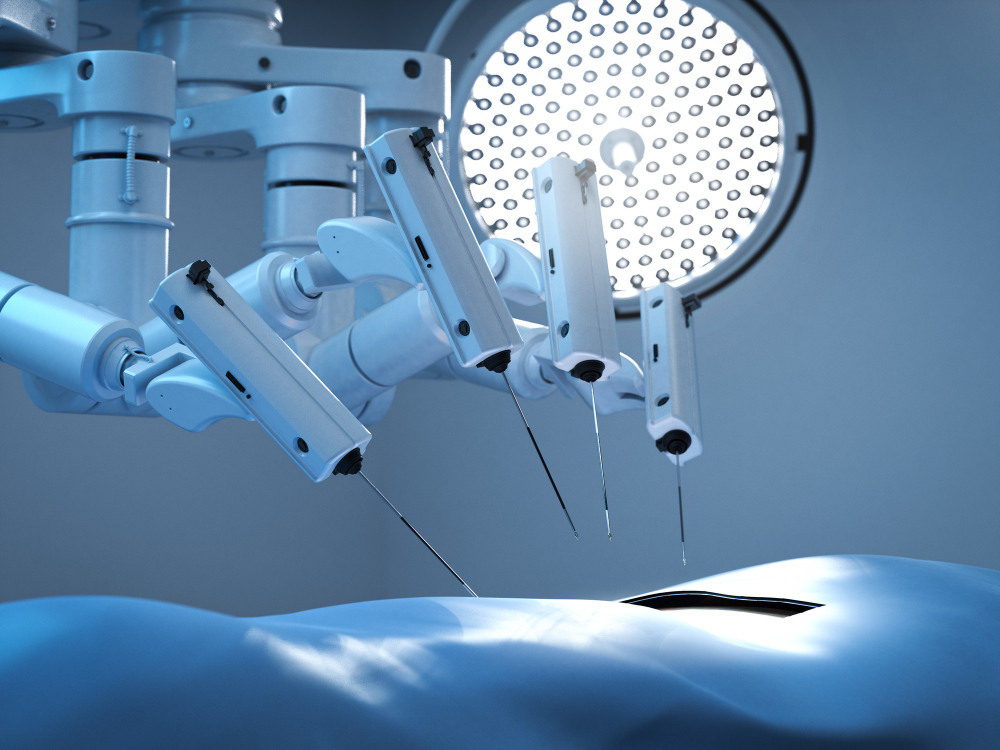
Robotic Surgery is the next generation of minimally invasive surgery, offering exceptional precision, enhanced visualization, and improved surgical control for complex procedures. At SIDS Hospital & Research Centre, Dr. Dhaval Mangukiya, a leading Robotic GI Surgery and Robotic Cancer Surgeon in Surat, performs advanced robotic-assisted procedures for gastrointestinal, liver, pancreatic, colorectal, and cancer-related conditions.
With extensive expertise in minimally invasive and complex GI surgery, Dr. Mangukiya combines advanced robotic technology with surgical excellence to deliver safer procedures, reduced pain, quicker recovery, and better clinical outcomes for patients across Surat and Gujarat.
Robotic Surgery is an advanced form of minimally invasive surgery where the surgeon performs the procedure using robotic-assisted technology. Every movement of the robotic instruments is completely controlled by the surgeon, providing superior precision, flexibility, and stability during complex operations.
The robotic platform offers:
Despite the use of robotic technology, the surgeon remains in complete control throughout the operation.
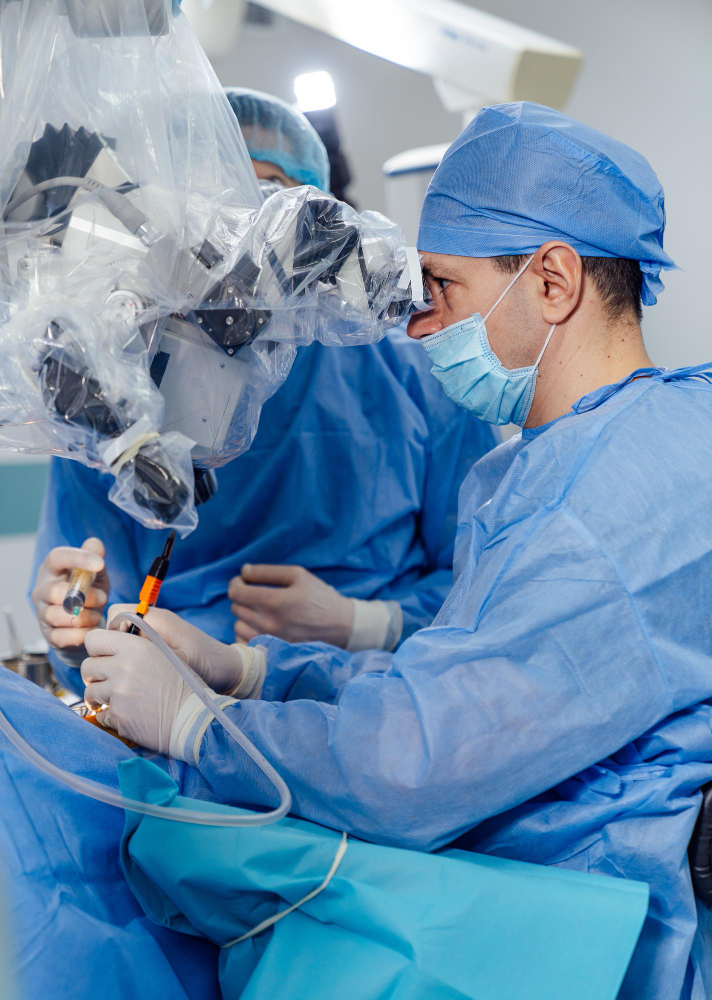
Compared to conventional open surgery, robotic-assisted procedures offer several patient benefits.
The suitability of robotic surgery depends on the patient’s condition and is determined after a detailed clinical evaluation.
Dr. Dhaval Mangukiya offers advanced Robotic Surgery in Surat for a wide range of gastrointestinal and abdominal conditions.
The gastrointestinal tract contains delicate organs located in confined anatomical spaces. Robotic technology enables the surgeon to perform highly complex dissections with remarkable precision while protecting surrounding tissues and vital structures.
Robotic GI Surgery is especially beneficial for:
Cancer surgery requires complete tumor removal while preserving healthy organs whenever possible. Robotic-assisted surgery allows superior visualization and meticulous dissection, helping achieve accurate surgical outcomes in selected patients.
As an experienced Robotic Cancer Surgeon in Gujarat, Dr. Dhaval Mangukiya performs robotic-assisted procedures for gastrointestinal cancers using internationally accepted surgical principles and evidence-based treatment protocols.
Dr. Dhaval Mangukiya is one of the leading GI, HPB, Liver Transplant, Bariatric, and GI Cancer Surgeons in Gujarat, with extensive experience in advanced minimally invasive and robotic-assisted surgery.
Patients from Surat, Gujarat, and across India trust Dr. Mangukiya for managing complex surgical conditions with precision, ethical care, and a patient-first approach.
Successful robotic surgery depends not only on advanced technology but also on the surgeon’s expertise. Dr. Dhaval Mangukiya combines years of experience, international training, and advanced surgical judgment to deliver personalised treatment plans for every patient.
His focus is to ensure:
If you are looking for an experienced Robotic GI Surgery specialist, Robotic Cancer Surgeon, or expert in Robotic Surgery in Surat, Gujarat, consult Dr. Dhaval Mangukiya for a comprehensive evaluation and personalised treatment plan.
Early diagnosis and timely surgical intervention can significantly improve treatment outcomes and quality of life.
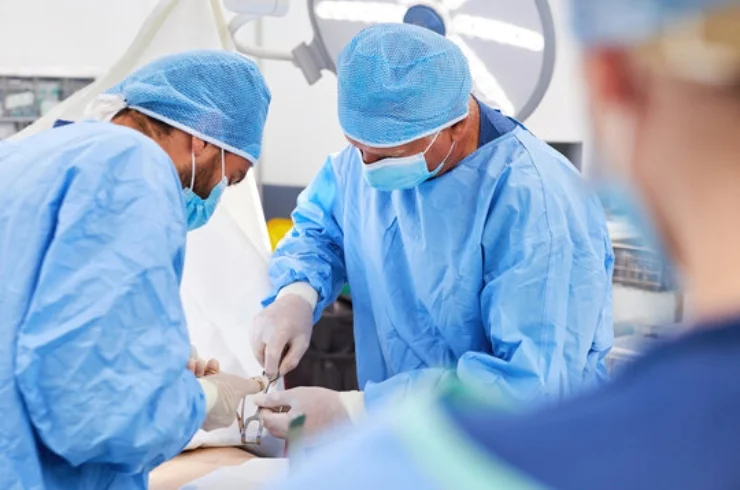
The biliary tract plays a crucial role in digestion by carrying bile from the liver to the small intestine. When conditions like gallstones, bile duct strictures, cysts, or tumors affect this system, biliary tract surgery may be required to restore normal function and relieve symptoms. At SIDS Hospital & Research Center, we specialize in advanced surgical procedures for biliary tract diseases, ensuring safe and effective treatment for our patients.
Biliary tract surgery involves repairing, removing, or bypassing obstructions in the bile ducts and gallbladder to treat various disorders. Our expert surgeons use minimally invasive laparoscopic techniques and open surgery when needed to provide the best outcomes.
Before surgery, doctors may perform ultrasounds, MRCP (Magnetic Resonance Cholangiopancreatography), CT scans, or ERCP (Endoscopic Retrograde Cholangiopancreatography) to diagnose the condition. Most biliary surgeries are performed under general anesthesia, and recovery time depends on the type of procedure performed.