
Introduction
Robotic colorectal surgery is a modern, minimally invasive way to treat colon and rectal conditions. With advanced technology, this method helps doctors perform complex surgeries with more precision. Many people now choose robotic surgery for colon and rectal problems because it often leads to faster recovery and less pain. In this blog, you will learn about the benefits of robotic colorectal surgery, how it works, and what to expect during recovery. We will also discuss advanced rectal surgery techniques and answer common questions.
What is Robotic Colorectal Surgery?
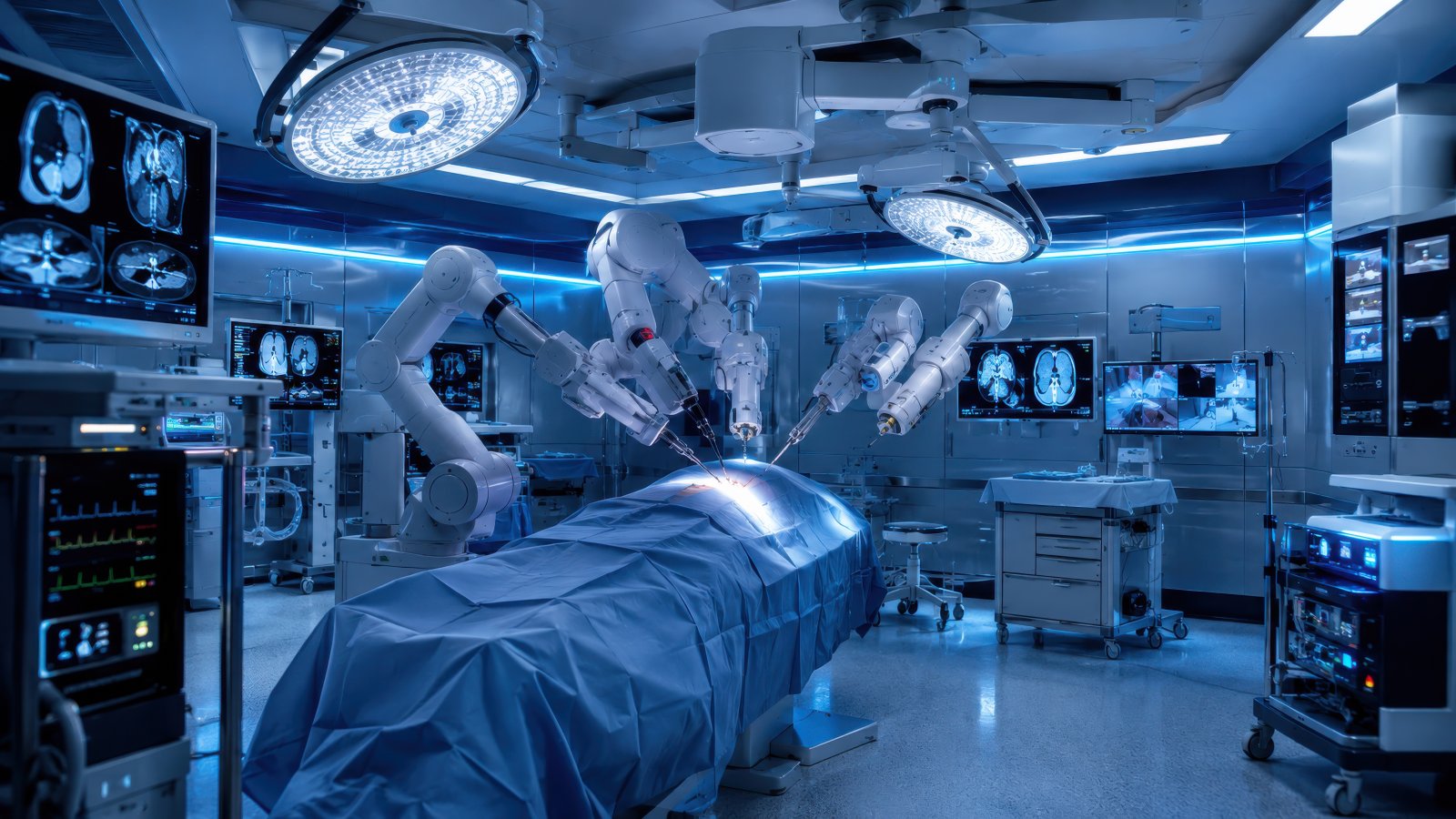
Robotic colorectal surgery uses a special robotic system to help surgeons operate on the colon or rectum. The surgeon controls robotic arms from a console in the operating room. This system gives the doctor a clear, 3D view and allows for very small, precise movements. As a result, the surgery is less invasive than traditional open surgery. Many hospitals now offer minimally invasive colon surgery using robotic tools.
Conditions Treated with Robotic Surgery
Doctors use robotic colorectal surgery to treat many colon and rectal conditions. Some common conditions include:
For many of these problems, robotic surgery offers a safer and quicker recovery compared to open surgery.
How Robotic Surgery Works
During robotic colorectal surgery, the surgeon sits at a console and uses hand controls. The robotic arms hold tiny surgical tools and a camera. Because the camera gives a high-definition, 3D view, the surgeon can see the area very clearly. The robotic arms move smoothly and can reach small spaces. This makes it easier to remove diseased tissue while protecting healthy parts. In addition, the small cuts used in robotic surgery help reduce pain and scarring.
Benefits of Robotic Colorectal Surgery
There are many benefits of robotic colorectal surgery. Some of the main advantages include:
According to the Centers for Disease Control and Prevention (CDC), minimally invasive colon surgery often leads to better outcomes for patients. Therefore, many people now prefer robotic surgery for colon and rectal conditions.
Risks and Considerations
Although robotic colorectal surgery is safe for most people, there are some risks. For example, there may be bleeding, infection, or injury to nearby organs. Sometimes, the surgeon may need to switch to open surgery if problems arise. Not everyone is a good candidate for robotic surgery. Your doctor will review your health and discuss the best option for you. Always ask about the risks and benefits before making a decision.
Recovery and Aftercare
After robotic colorectal surgery, most people recover faster than with open surgery. You may spend less time in the hospital. In many cases, you can return to normal activities within a few weeks. However, you should follow your doctor’s advice for care at home. This may include:
Always contact your doctor if you have concerns during recovery.
Frequently Asked Questions
Conclusion
Considering robotic colorectal surgery for your condition? Consult Dr. Dhaval Mangukiya for expert evaluation and personalised guidance to understand whether robotic-assisted colorectal surgery is the right treatment option for you.