
Introduction
Robotic hernia repair is changing the way doctors treat hernias. With advanced technology, surgeons can now perform minimally invasive hernia surgery with more precision. As a result, robotic-assisted surgery often leads to better surgical outcomes and faster recovery. Many people are curious about the benefits of robotic hernia repair and how it compares to traditional methods. In this blog, we will explain how this technology works and what you can expect if you need hernia surgery.
What is Robotic Hernia Repair?
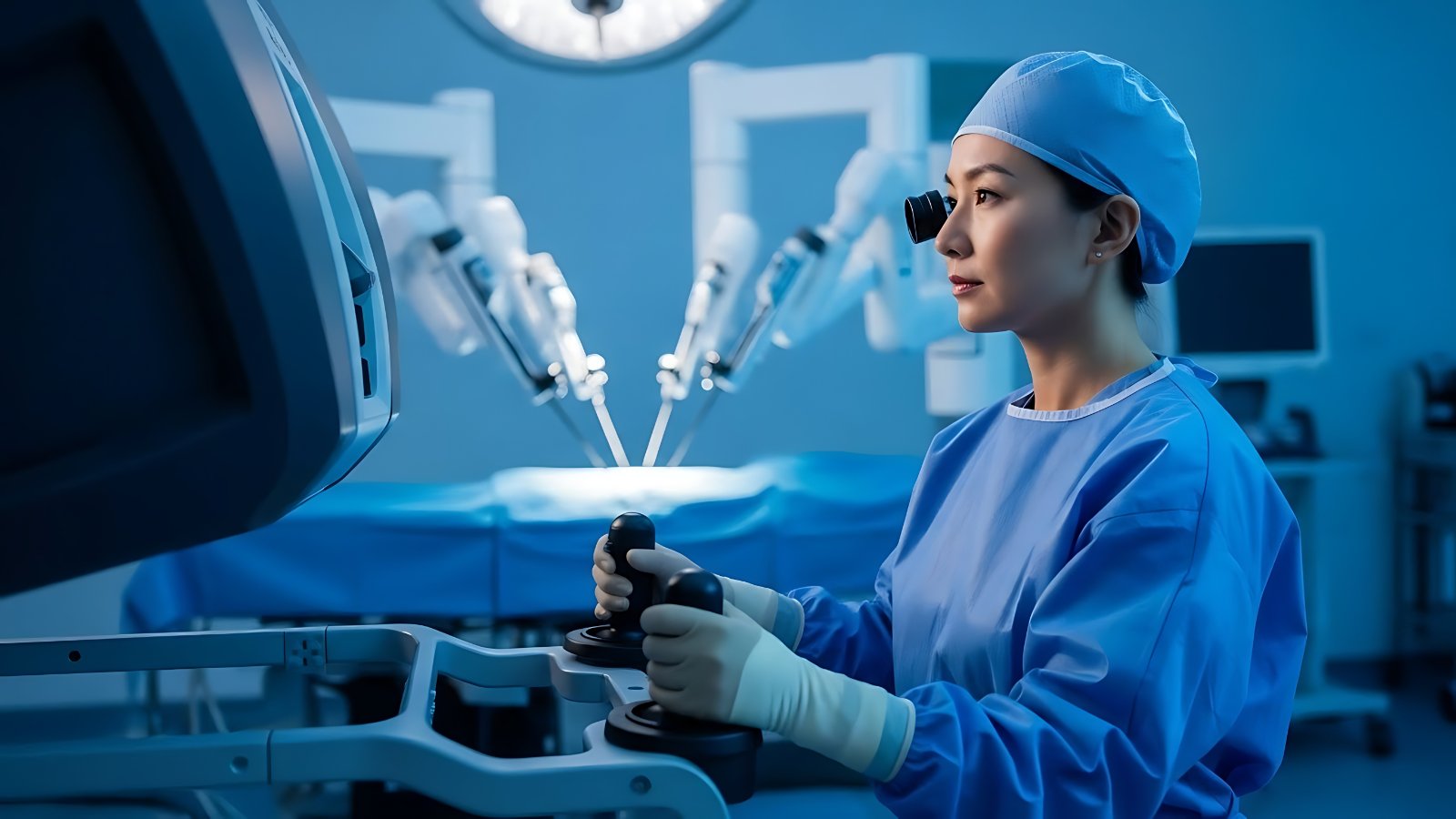
Robotic hernia repair is a type of minimally invasive surgery. During this procedure, a surgeon uses a special robot to help fix the hernia. The robot does not work alone. Instead, the surgeon controls its arms and tools from a console nearby. Because of this, the surgery can be more precise than with regular tools. Many hospitals now offer robotic hernia repair as an option for patients.
How Does Robotic Technology Work in Hernia Surgery?
First, the surgeon makes a few small cuts in the skin. Then, thin tools and a tiny camera are placed through these cuts. The camera gives a clear, 3D view of the area. Next, the surgeon sits at a console and moves the robot’s arms using hand controls. The robot copies the surgeon’s movements but with even more accuracy. Because of this, the surgeon can work in tight spaces and avoid nearby tissues.
Benefits of Robotic Hernia Repair
Robotic hernia repair offers many advantages over open surgery. For example, patients often experience:
Additionally, studies from trusted sources like the CDC show that minimally invasive surgery can lead to fewer complications. Because of these benefits, many people prefer robotic-assisted surgery when possible.
Comparing Robotic and Traditional Hernia Surgery
There are key differences between robotic and traditional hernia surgery. Traditional surgery often uses a large cut to reach the hernia. In contrast, robotic surgery uses small cuts and advanced tools. As a result, robotic surgery usually means less pain and a quicker recovery. However, not every patient is a good fit for robotic surgery. Your doctor will help you decide which method is best for you.
Who is a Candidate for Robotic Hernia Repair?
Not everyone can have robotic hernia repair. However, many adults with simple or complex hernias are good candidates. You may be a good fit if you:
Still, only a qualified surgeon can decide if robotic hernia repair is right for you. Therefore, it is important to discuss your options with your doctor.
Recovery and Aftercare Tips
After robotic hernia repair, most people recover quickly. In fact, many patients go home the same day. To help your recovery, follow these tips:
Because every person heals differently, always listen to your body. If you notice redness, swelling, or fever, contact your doctor right away.
Potential Risks and Considerations
Although robotic hernia repair is safe for most people, all surgeries have some risks. For example, you may have:
However, serious problems are rare. Your surgeon will explain all possible risks before the procedure. Because of this, you can make an informed choice about your care.
Frequently Asked Questions
Conclusion
Considering robotic hernia repair for your condition? Consult Dr. Dhaval Mangukiya for expert evaluation, personalised surgical advice and to understand whether robotic-assisted hernia repair is the right treatment option for you.