
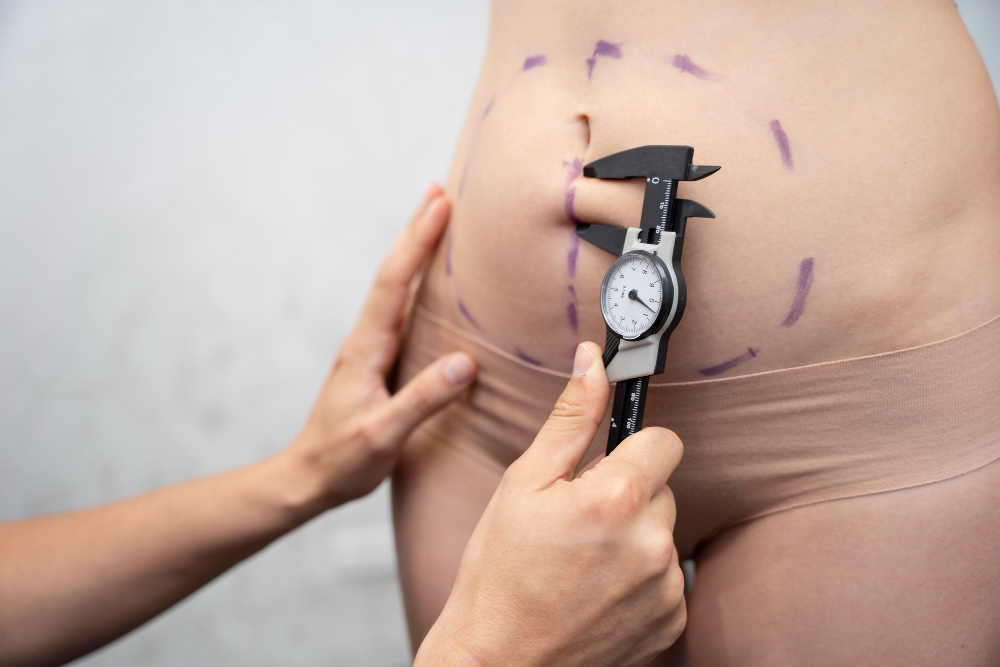
What Is Bariatric Surgery?
Bariatric surgery is a type of weight loss surgery. Doctors use it to help people lose weight when other methods have not worked. For many, this surgery is part of a bigger bariatric surgery journey. It changes the way your stomach or digestive system works. As a result, you feel full sooner and eat less. Many people in cities across the country choose bariatric surgery for better health.
Main Benefits of Bariatric Surgery
Bariatric surgery offers several important benefits. First, it can help you lose a lot of weight. This weight loss can lower your risk of serious health problems. For example, it may help with:
In addition, many people notice more energy and better movement. According to the CDC, weight loss surgery can also improve mental health. Because of these benefits, more people are choosing bariatric surgery every year.
Types of Bariatric Surgery Procedures
There are several types of bariatric surgery. Each one works in a different way. However, all aim to help you eat less and lose weight. The most common types include:
Your doctor will help you choose the best option for your needs. Each procedure has its own risks and benefits.
Step-by-Step Overview of the Bariatric Surgery Process
Before surgery, you will meet with a team of health experts. They will check your health and talk about your goals. Next, you may need to follow a special diet for a few weeks. This helps prepare your body for surgery.
On the day of surgery, you will go to the hospital. Most surgeries use small cuts and special tools. This is called laparoscopic surgery. Because of this, recovery is often faster and less painful.
After surgery, you will stay in the hospital for a short time. Nurses and doctors will watch your health closely. Soon, you will start drinking liquids and then move to soft foods. Your bariatric surgery journey does not end here. You will keep seeing your care team for checkups and support.
What to Expect During Recovery
Recovery after bariatric surgery takes time. At first, you may feel tired and need to rest. However, most people can return to normal activities within a few weeks. You will need to follow a special diet, starting with liquids and moving to soft foods. Over time, you will add more solid foods.
Because your body is healing, you may lose weight quickly at first. It is important to attend all follow-up visits. Your doctor will check your progress and help with any problems. If you have questions, your care team can give advice.
Lifestyle Changes After Surgery
After bariatric surgery, you will need to make lasting lifestyle changes. For example, you will eat smaller meals and chew food well. Drinking water between meals is important, but try not to drink with meals. You will also need to take vitamins and minerals every day. This helps prevent shortages in your body.
Regular exercise is key for long-term success. Even simple activities like walking can help. Because support is important, many people join groups or talk with others who have had surgery.
Common Risks and How to Minimize Them
Like all surgeries, bariatric surgery has some risks. These may include:
However, you can lower your risk by following your doctor’s advice. Take all medicines as directed. Attend all follow-up visits. If you notice pain, fever, or other new symptoms, contact your care team right away.
Tips for Long-Term Success and Prevention of Complications
To have the best results after bariatric surgery, follow these tips:
Because your bariatric surgery journey is ongoing, staying informed and working with your care team will help you stay healthy for years to come.