
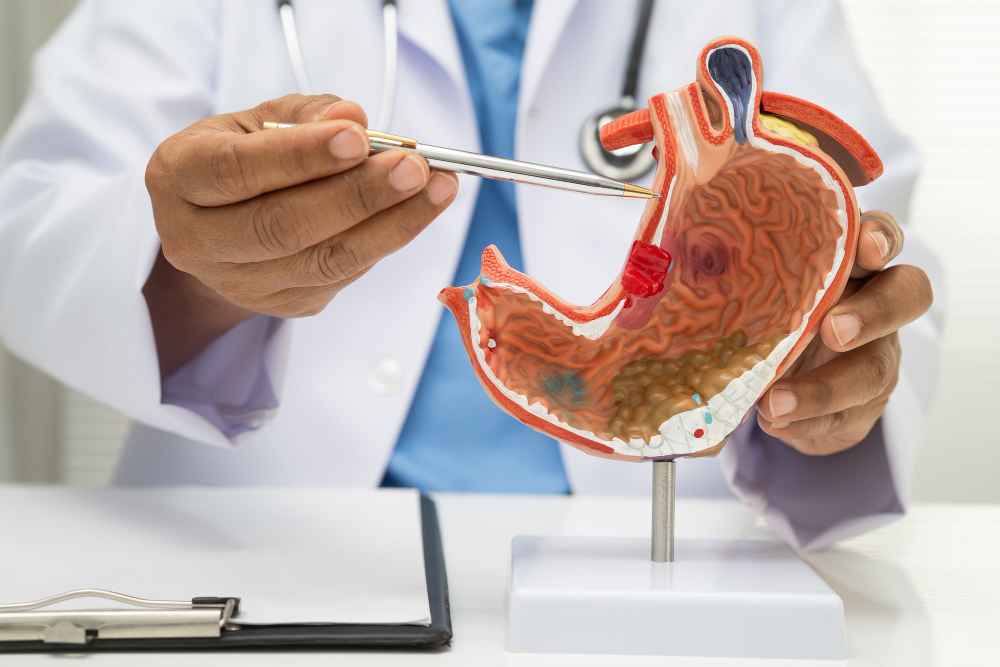
What Are GIST Tumors?
GIST tumors, or gastrointestinal stromal tumors, are rare growths found in the digestive tract. Most often, they start in the stomach or small intestine. Because GIST tumors are rare gastrointestinal tumors, many people have never heard of them. However, knowing about them can help with early detection and treatment. These tumors form from special cells in the wall of the digestive system. While some GIST tumors grow slowly, others may grow faster. Early diagnosis is important for better outcomes.
Symptoms of GIST Tumors
At first, GIST tumor symptoms can be mild or even absent. Still, as the tumor grows, you may notice changes. For example, you might feel pain or discomfort in your belly. Other symptoms can include:
Because these symptoms can be caused by many conditions, it is important to see a doctor if they last more than a few days.
Causes and Risk Factors
Doctors do not know the exact cause of GIST tumors. However, changes in certain genes can lead to these tumors. Most GIST tumors are not inherited. Instead, they develop by chance. Still, some risk factors may increase your chances:
Even though these risk factors exist, many people with GIST tumors have no clear cause. Therefore, regular check-ups are important, especially if you have risk factors.
How GIST Tumors Are Diagnosed
Doctors use several tests to diagnose GIST tumors. First, they may ask about your symptoms and medical history. Next, they might do a physical exam. If a GIST tumor is suspected, doctors may order tests such as:
These tests help doctors find the tumor and decide on the best treatment. In the United States, these methods are common and safe.
Surgical Treatment Options for GIST Tumors
Surgery is often the main treatment for GIST tumors. If the tumor is small and has not spread, doctors may remove it completely. Sometimes, only part of the stomach or intestine needs to be removed. In some cases, medicine may be given before surgery to shrink the tumor. After surgery, doctors check if all the tumor was removed. If not, more treatment may be needed. For larger or advanced tumors, targeted medicines may help. These medicines attack cancer cells while sparing healthy ones. Because each case is unique, your doctor will suggest the best plan for you.
Recovery and Lifestyle Guidance After Surgery
After GIST tumor surgery, recovery can take a few weeks. During this time, you may need to rest more than usual. However, gentle movement can help speed up healing. Your doctor may suggest:
Because everyone heals differently, follow your doctor’s advice closely. If you notice new symptoms, call your healthcare team right away. With proper care, many people return to normal activities after recovery.
Prevention and Early Detection Tips
Currently, there is no sure way to prevent GIST tumors. Still, early detection can improve outcomes. To help catch problems early, you can:
Although GIST tumors are rare, staying alert to changes in your body is wise. Early action can make treatment easier and more successful.
For personalized advice on GIST tumors, consult Dr Dhaval Mangukiya healthcare provider.