
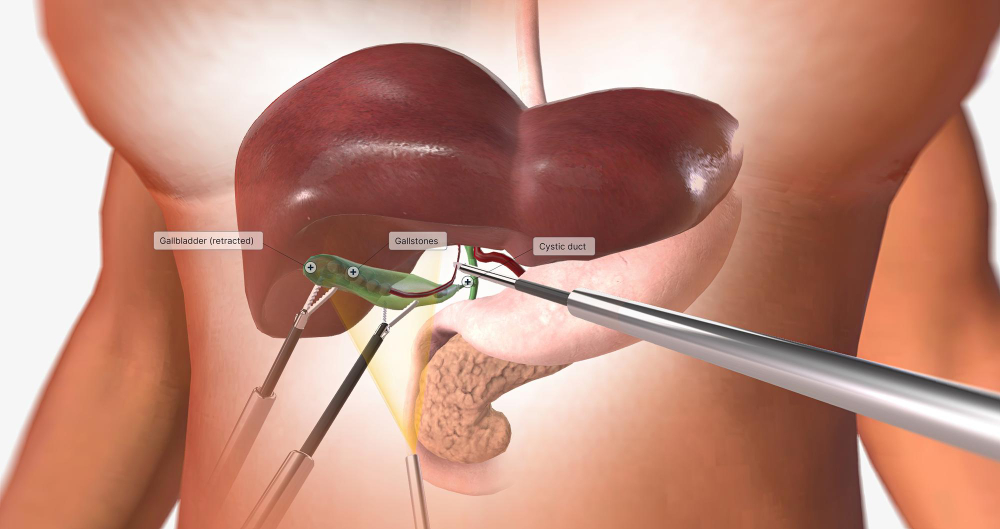
Introduction to Bile Duct Injuries After Gallbladder Surgery
Bile duct injury after gallbladder surgery is a rare but serious problem. The bile duct is a small tube that carries bile from the liver to the intestine. Sometimes, during gallbladder surgery, this duct can get hurt. Although most surgeries are safe, injuries can still happen. Because of this, it is important to know the risks, signs, and ways to prevent and manage these injuries.
Causes of Bile Duct Injuries During or After Gallbladder Surgery
Bile duct injuries often happen during laparoscopic gallbladder surgery. This is a common way to remove the gallbladder. However, even with skilled surgeons, mistakes can occur. Some common causes of bile duct injury include:
Additionally, injuries can sometimes happen after surgery due to infection or bile leaks.
Common Symptoms and Warning Signs
After gallbladder surgery, it is important to watch for warning signs of bile duct injury. Early detection helps prevent serious problems. Some common symptoms include:
If you notice any of these symptoms, seek medical help right away.
Diagnosis Methods and When to Seek Medical Help
Doctors use several tests to diagnose a bile duct injury. For example, they may order blood tests to check liver function. In addition, imaging tests like ultrasound, CT scan, or MRI can show if there is a leak or blockage. Sometimes, a special test called ERCP (Endoscopic Retrograde Cholangiopancreatography) is used to look at the bile ducts directly.
If you have ongoing pain, fever, or yellow skin after surgery, contact your doctor immediately. Early diagnosis can prevent further damage.
Prevention Strategies for Patients and Surgeons
Preventing bile duct injury is important for both patients and surgeons. Here are some key strategies:
Moreover, following all pre-surgery instructions can lower your risk.
Management and Treatment Options
If a bile duct injury occurs, quick treatment is needed. Treatment depends on the type and severity of the injury. Some options include:
In some cases, you may need to see a specialist, such as a gastroenterologist or liver surgeon.
Lifestyle Guidance and Recovery Tips
After treatment for a bile duct injury, recovery takes time. However, you can help your body heal by following these tips:
With proper care, most people recover well after treatment.
Prevention Tips for Future Surgeries
If you need more surgeries in the future, it is wise to share your history of bile duct injury with your doctor. This helps the surgical team plan better and avoid further problems. Also, always ask about the risks and steps taken to prevent injury during any new surgery.
Conclusion
Bile duct injury after gallbladder surgery is rare but serious. Knowing the causes, symptoms, and prevention steps can help you stay safe. If you notice warning signs, seek medical help quickly. For the best care, consult Dr. Dhaval Mangukiya for advice tailored to your needs.